Understanding Emergency Showers in Chemical Operations
Emergency showers, or "Notduschen," play a critical role in maintaining safety standards within chemical operations. These installations are essential for rapid decontamination, helping to mitigate the effects of hazardous materials when accidents occur. From body showers to eyewash stations, understanding the diverse types and their requirements is fundamental for workplace safety. When exploring options, Notdusche für Chemiebetrieb provides comprehensive insights into the best products available.
What is a Notdusche and Its Importance?
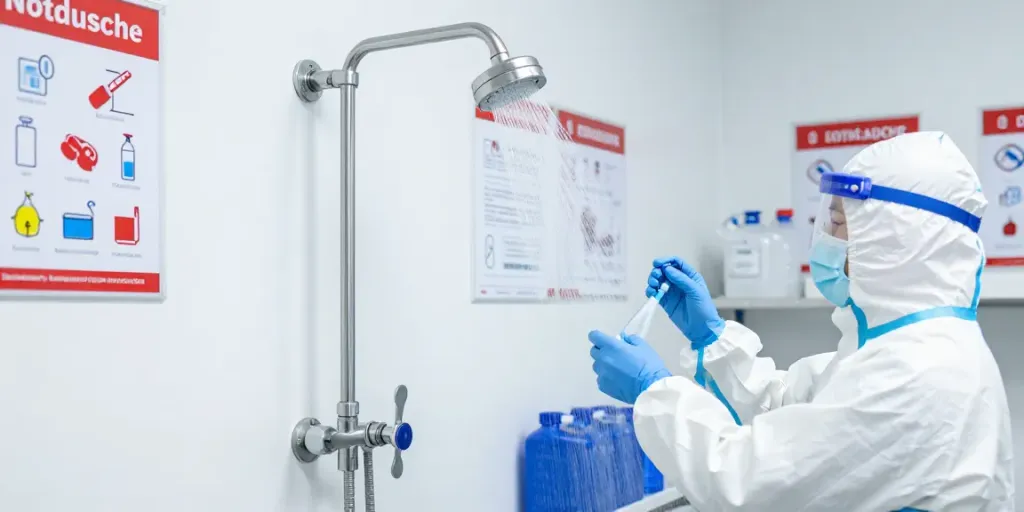
A Notdusche is a safety feature designed to provide immediate access to decontamination for individuals exposed to hazardous substances. In chemical operations, exposure to corrosive chemicals can lead to severe injuries, making the presence of an emergency shower imperative. The immediate availability of a Notdusche can significantly reduce the severity of chemical burns or other injuries, providing a vital first line of defense.
Regulatory Compliance for Notduschen
Every facility handling hazardous materials is required to comply with stringent safety regulations. In Europe, standards such as EN 15154 and ANSI Z358.1 govern the specifications and operational requirements for emergency showers and eyewash stations. These regulations ensure equipment effectiveness and reliability during emergencies, mandating regular maintenance and inspection protocols to sustain compliance.
Types of Emergency Showers Suitable for Chemiebetriebe
Body Showers vs. Eyewash Stations
Understanding the distinction between body showers and eyewash stations is vital for selecting the appropriate type of emergency shower. Body showers are designed to douse large areas of the body with water, while eyewash stations specifically target the eyes, flushing out contaminants. Both systems must provide a steady and safe water flow that minimizes the risk of additional injury.
Specific Requirements for Different Chemicals
Different chemicals pose unique risks and may require tailored emergency response solutions. For instance, highly corrosive substances might necessitate showers equipped with specialized filtration systems to prevent chemical reactions with the water supply. It’s essential to assess the specific chemical hazards in your environment to select the most suitable emergency shower configuration.
Customization Options for Hazardous Environments
Customization options allow facilities to adapt emergency showers to meet specific needs. Features such as heated water systems, alarm integration, and specialized nozzles can be incorporated to enhance efficiency and safety in hazardous environments. Ensuring that the equipment is appropriately tailored to the operational context is crucial for maximizing safety performance.
Installation and Maintenance of Notduschen
Best Practices for Installation in Laboratories
The installation of Notduschen must adhere to safety guidelines and ergonomic principles to be effective. Showers should be positioned within a reasonable distance from high-risk areas, and pathways should be free of obstructions to ensure quick access. Placement should consider frequent foot traffic and potential hazards in the vicinity.
Regular Maintenance Procedures for Compliance
Regular maintenance is essential to ensure emergency showers function correctly. This includes routine checks for water pressure, flow rate, and cleanliness. Compliance with regulations necessitates that facilities keep detailed records of inspections and maintenance activities to demonstrate adherence to safety standards.
Common Issues and Troubleshooting Tips
Common problems with Notduschen can include clogged nozzles, insufficient water pressure, and leaks. Troubleshooting these issues often involves inspecting the water supply lines and cleaning the nozzles to ensure unobstructed flow. Developing a thorough maintenance schedule can help identify and address these issues proactively.
Training and Preparedness for Chemical Incidents
How to Train Employees on Emergency Shower Use
Training employees on the correct usage of emergency showers is a critical aspect of workplace safety. Regular drills and educational sessions can familiarize employees with the operation of the Notdusche in case of an incident. Clear instructions and simulations help ensure that personnel can respond quickly and effectively in an emergency.
Emergency Response Planning: Role of Notduschen
Emergency response plans should incorporate the role and location of Notduschen. This ensures that all employees are aware of where to find emergency showers and how to use them effectively. Regular reviews and updates of these response plans are necessary to reflect any changes in procedures or facility layout.
Analyzing Past Incidents for Improvement
Post-incident analysis is valuable for improving safety measures. Examining how emergency showers performed during actual incidents can highlight areas for enhancement. Feedback from employees about their experiences can also contribute to refining emergency protocols and training efforts.
Future Trends and Developments in Safety Solutions (2026)
Innovations in Emergency Shower Technology
The future of emergency shower technology is promising, with innovations aimed at enhancing safety and usability. Automatic activation systems, improved water filtration technologies, and integration with facility monitoring systems are just a few developments that could revolutionize how emergency showers operate.
Impact of AI and IoT on Chemical Safety
Artificial Intelligence (AI) and the Internet of Things (IoT) are poised to impact chemical safety significantly. Smart emergency showers could communicate real-time data about water quality and flow rates, allowing for proactive maintenance and immediate reporting of issues. Such advancements can enhance overall safety and compliance in chemical operations.
Predictions for Regulatory Changes Affecting Notduschen
As safety standards evolve, regulations governing Notduschen may undergo significant updates. Increased attention to environmental impact and worker safety may lead to stricter compliance guidelines, necessitating continued investment in safety solutions for chemical operations. Staying informed about these changes is crucial for ensuring workplace safety and compliance.
When is a Notdusche Required in a Chemical Workplace?
A Notdusche is generally required in areas where hazardous materials are used, particularly where chemical exposure could cause severe injuries. Regulatory bodies typically define specific criteria that trigger the need for emergency showers based on the types and quantities of chemicals handled.
Who is Responsible for Maintaining Notduschen?
Facility managers or designated safety officers usually hold the responsibility for maintaining Notduschen. Regular inspections and adherence to maintenance schedules are crucial responsibilities for these stakeholders, ensuring compliance with regulations and the safety of all personnel.
What Regulations Govern Eyewash Stations?
Eyewash stations fall under the same regulatory frameworks as Notduschen. Facilities must adhere to guidelines such as those set by OSHA and ANSI, which outline design, installation, and maintenance criteria to ensure their effectiveness in emergencies.
How Often Should Safety Equipment be Inspected?
Safety equipment like Notduschen should be inspected at least once a month. These inspections help ensure that all components are operational and compliant with established safety standards. Keeping detailed records of these inspections is essential for regulatory compliance.
Can Notduschen be Customized for Specific Needs?
Yes, Notduschen can be customized to address specific workplace conditions and hazards. Customization options may include specialized nozzles, water filtration systems, or integration with other safety equipment to enhance their effectiveness in chemical environments.